People have been asking why we focus on cyan, magenta, and yellow. So, we decided to include a blog on our website to share more information and stories about working with CMY.
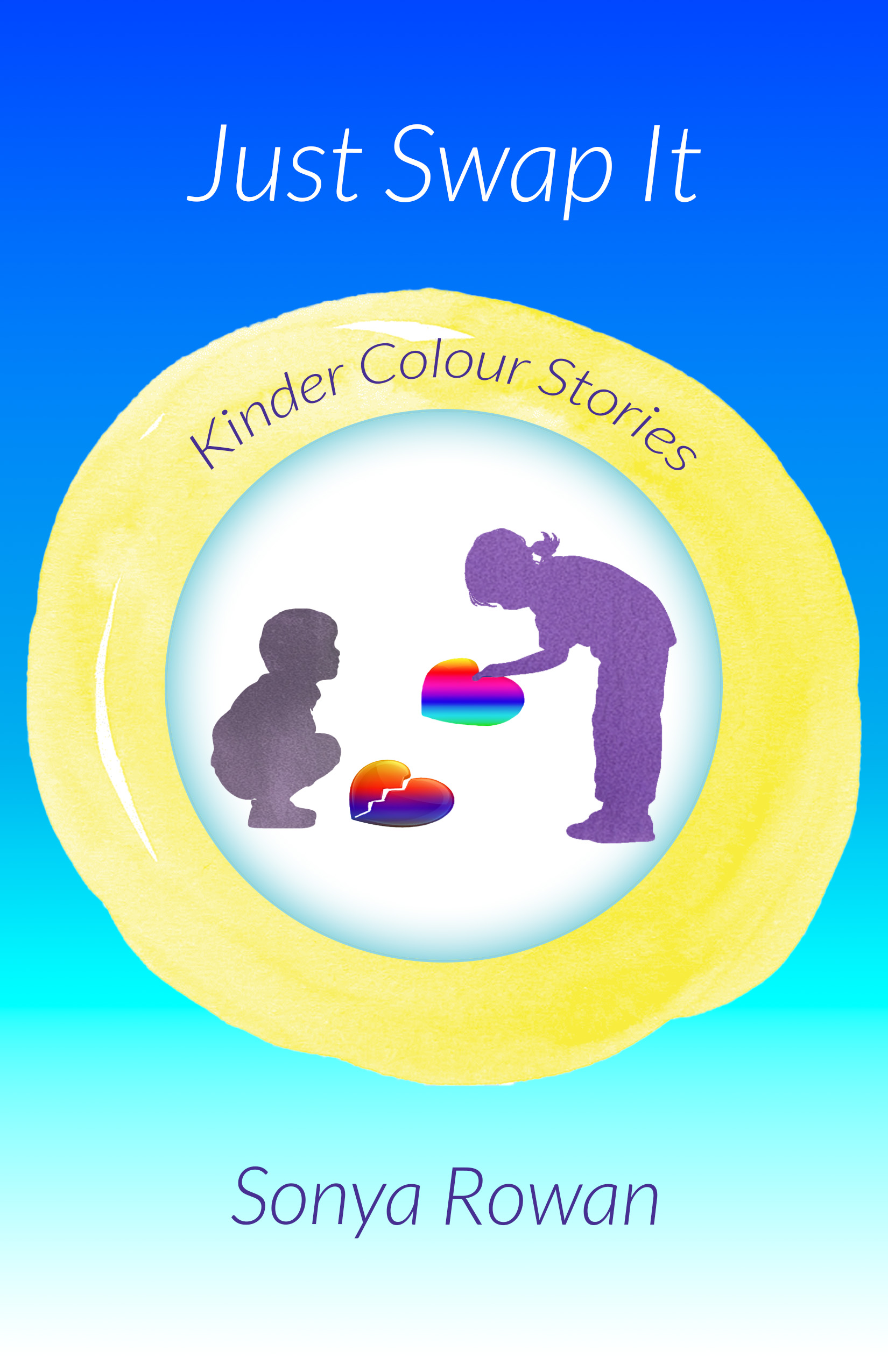
Many people are taught about the idea of primary colours. It is like a magic spell that unlocks a treasure chest containing all of the colours to be experienced. I bet you were taught the three magic colours needed to find all the other colours are red, yellow, and blue. These colours are sprinkled around classrooms and often featured on items for children. Do these colours really mix to create all other colours? Um…no. Definitely not. The fact that red, yellow, and blue are not primary colours for mixing materials has been known for a very long time, but it hasn’t been widely communicated and accepted. There are many reasons for this, which are included in a new book by artist and author Sonya Rowan. We are excited to offer this book to you, so you can finally have a more full and accurate understanding of colour.
The PDF is currently available only on our website and a printed copy will be available soon.
We also have lots of fun and informative posters that help to illustrate why CMY are primary colours for mixing materials and why RGB are primary colours for mixing coloured lights.
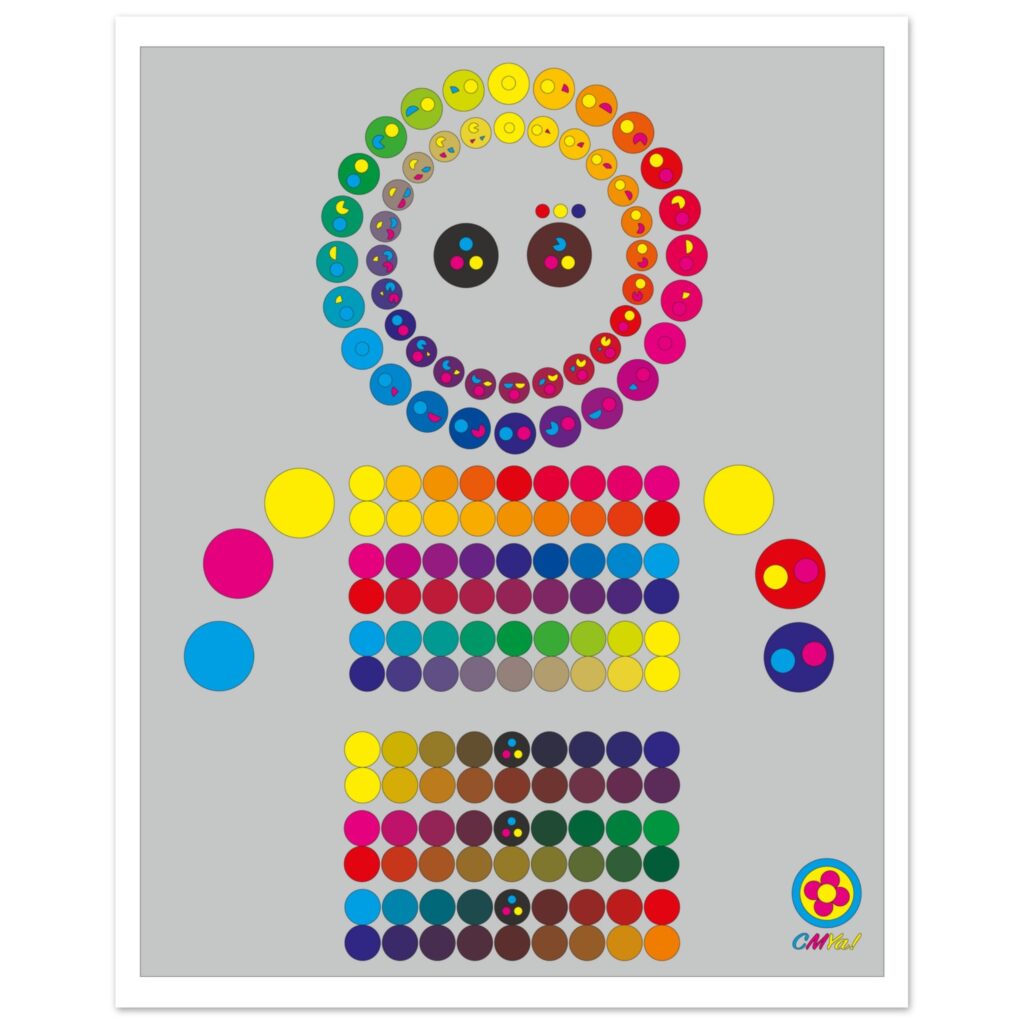
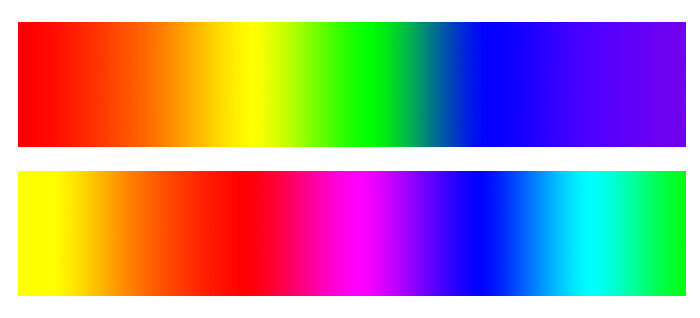
Our products employ the reference framework of a CMY spectrum. Why not use the visible light spectrum? Huge trusted companies use the rainbow as the main reference for their products. The visible light spectrum, or rainbow, does not include magenta, pink and purple. We love those colours just like millions of others. We want to highlight them alongside all the other wonderful colours that work together to create fun and magic.
Join us on this colour mixing journey and enjoy the magic of colour!